State of Maine is a world-class, purpose-built training vessel, the construction of which was funded by the federal government. The vessel will serve as the Academy’s training ship as well as respond to humanitarian crises associated with environmental disasters. The ship will revolutionize the Academy’s hands-on, at-sea training capabilities both in terms of quality and quantity.
With two full-sized navigation bridges and two separate engine rooms, all fully functional, State of Maine is the first purpose-built training vessel operated by the Academy. The vessel has four Wabtec V250MDC Tier 4 engines driving Hyundai 3P-6.6KV-660 Hz alternators that supply 26,000 horsepower [verify] in a diesel electric configuration that is widespread throughout the industry today.
State of Maine will increase the Academy’s training capacity from 240 to 600 students, a significant expansion with great potential for international cooperation, as I argue in the article “The Growing Opportunity for International Collaboration,” in this issue of Mariner.
...Read More-
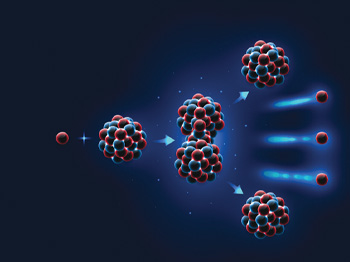 Nuclear Engineering Technology Major
...Read More -
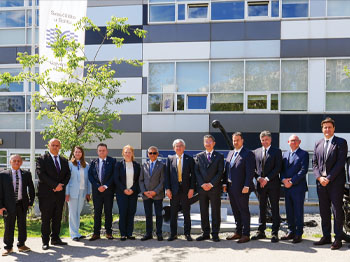 The Growing Opportunity for International Collaboration
...Read More
Castine, Maine 04420All Rights Reserved © 2026
Privacy Policy & Terms
Web issue? Contact Webmaster


